AI Research
AI that does research: Astra solves open maths problems — and Google's AI veteran leaves
August 5, 2026
Two pieces of news from August belong together, because they mark the same strategic turn: AI is moving from a tool for known tasks to an instrument for new knowledge.
Verified proofs, not benchmark claims
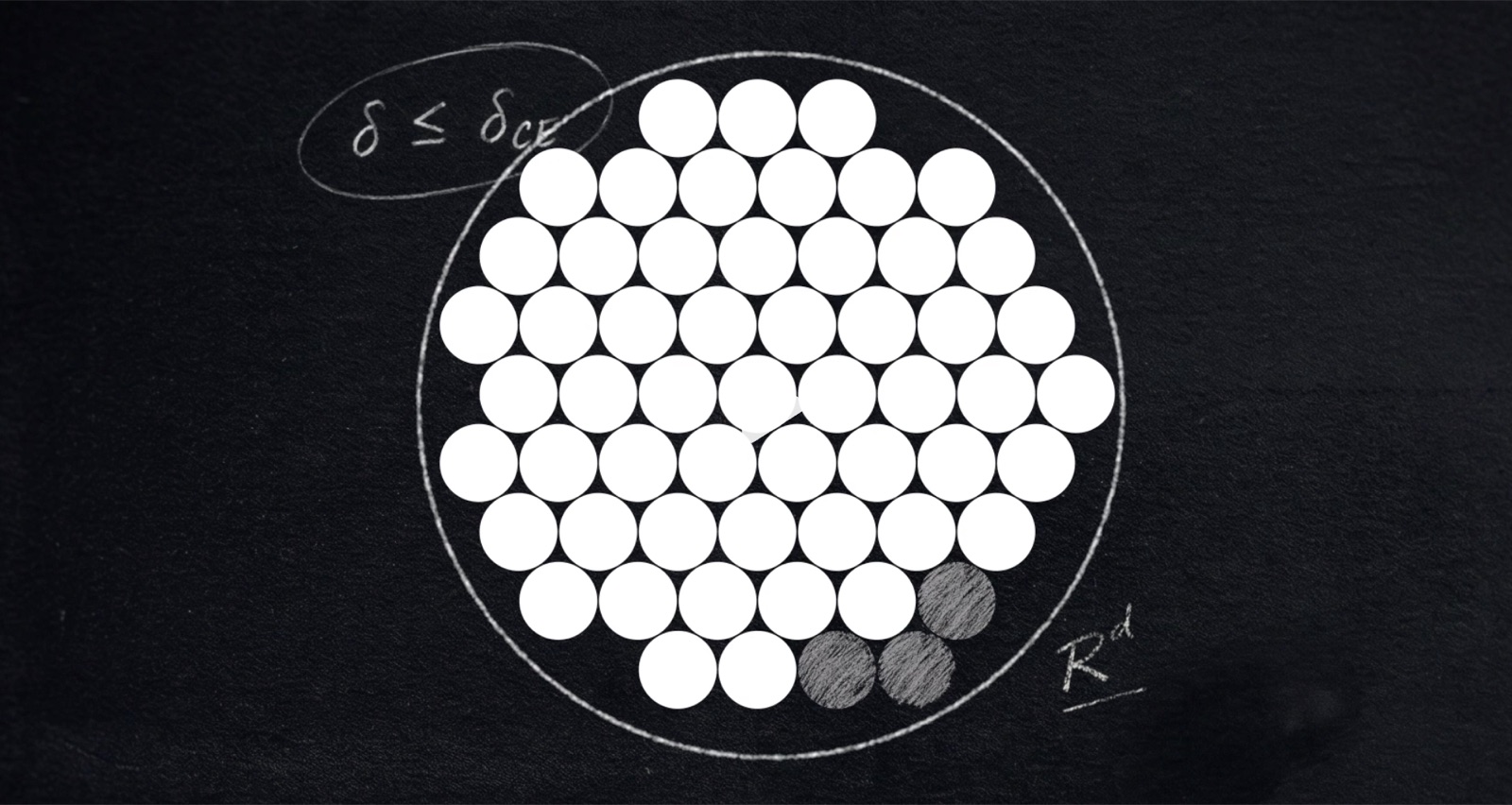
On 1 August, OpenAI published that an internal version of its next model, Astra, had solved ten problems from mathematics and theoretical computer science that had been open for at least a decade — from group theory to lattice cryptography (TechTimes).
The decisive part is the format: all ten proofs are available openly on GitHub as machine-checkable Lean 4 certificates, under Apache 2.0. These are not claims on a benchmark, but verified results. The estimated compute cost for all ten solutions: around USD 2,000.
And a departure that reads like a bet
Four days later, Jeff Dean left Google after 27 years, together with Sanjay Ghemawat, Quoc Le and Oriol Vinyals — four of the most formative minds behind Google’s AI foundations. Their new company, Discovery Loop, a public benefit corporation, aims to use AI to launch and evaluate thousands of scientific experiments in parallel. Alphabet’s share price fell around 5% on the news.
Our take
Verifiability is the real news. That Astra’s proofs are machine-checkable solves the trust problem AI results have had so far. The same pattern — AI delivers, an independent checking mechanism verifies — is the gold standard for enterprise use cases too. It is the “verification” element from the enterprise agent triangle in our conference keynote.
USD 2,000 for ten research breakthroughs shifts the economics of R&D. When exploratory thinking scales that cheaply, it becomes worth testing far more hypotheses than before. That applies to mathematics as much as to materials research, pharmacology — or product development in a great many companies.
The talent market is reorganising around the science bet. When people of Jeff Dean’s calibre stake their careers on “AI accelerates research”, that is a strong signal about where the next wave is heading. And for Europe, once again the uncomfortable question: where is our Discovery Loop?
Curious which of your own questions AI could already be exploring? Let’s talk it through.